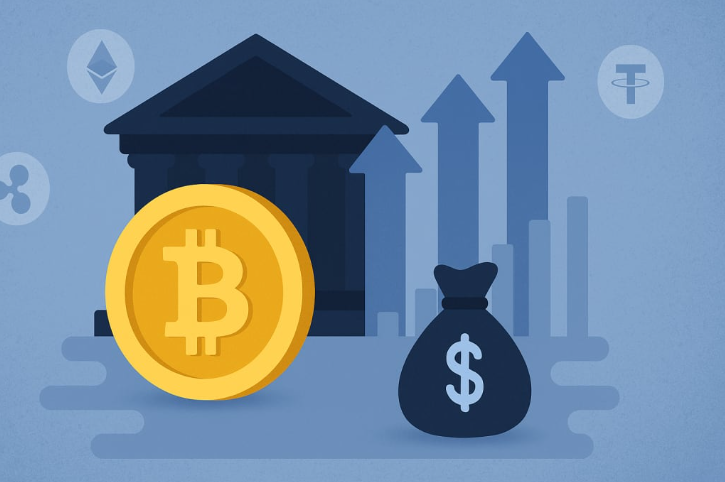
Listing on an exchange expands access to liquidity and broadens market depth, aiding price discovery as more participants join. The process is data-driven and milestone-based, with eligibility checks, regulatory reviews, and governance alignment shaping timing. For traders and projects, listing economics and transparency influence participation and credibility. Teams should adopt structured risk assessment and infrastructure readiness; ongoing risk management remains essential. The implications are clear, but the path to sustainable access remains contingent on measured decisions and evolving market conditions.
What Listing Means for Liquidity and Price Discovery
Liquidity and price discovery are directly influenced by an exchange listing, as broader access to a tradable market typically expands order flow and visibility. Listing liquidity improves market depth, reducing bid-ask spreads and enabling more efficient trades. Price discovery becomes more transparent as price signals reflect broader participation, institutional interest, and real-time liquidity, heightening confidence for participants seeking freedom through informed decisions.
See also: newsfeedinfo
How Exchange Listings Happen: Timeline and Milestones
The process by which exchanges add new listings follows a defined sequence of steps, from initial eligibility checks to final market access.
The timeline highlights Discovery milestones where information is gathered, and Compliance hurdles that must be cleared before review.
Decisions hinge on governance alignment, risk assessment, and evidence of liquidity potential, producing a cautious, data-driven path toward transparent, freedom-respecting admission.
Factors That Shape Listing Impact on Traders and Projects
Listing events shape outcomes for both traders and projects along several dimensions. The analysis emphasizes listing economics, regulatory considerations, liquidity dynamics, and price discovery as core drivers. Listing milestones frame expectations, while investor communication and exchange partnerships influence credibility. Token incentives and regulatory scaffolds modulate behavior, with careful attention to risk, transparency, and measured timing to balance long‑term sustainability and agile markets.
Practical Guides: Navigating Listings for Teams and Investors
Successful navigation of listings requires teams and investors to integrate structured checklists, measurable milestones, and clear communication plans.
Practical guidance emphasizes disciplined risk assessment, transparent timelines, and data-driven decision making.
Infrastructure readiness and regulatory considerations shape due diligence, with metrics tracking liquidity, uptime, and compliance posture.
Teams align stakeholders, document dependencies, and monitor evolving listing standards to sustain prudent, freedom-oriented strategic execution.
Frequently Asked Questions
How Do Delistings Affect Long-Term Project Fundamentals?
Delistings impact long term fundamentals by reducing liquidity, pressuring price discovery, and potentially shifting investor base; however, core project metrics—sale velocity, user growth, and governance engagement—often persist, suggesting durable fundamentals despite temporary volatility and reallocation risks.
What Costs Are Involved in Obtaining a Listing?
The costs involved in obtaining a listing comprise a cost structure and regulatory hurdles, presenting a framework of fees, audits, and compliance obligations. This analysis remains precise, data-driven, cautious, appealing to a freedom-seeking audience while remaining detached.
Do Listings Create Temporary Liquidity Spikes or Lasting Changes?
Startling as a spark, listings briefly heighten liquidity before settling; lasting shifts depend on market depth and sustained activity. Listing dynamics show initial spikes, with liquidity correlations gradually normalizing as participants adapt and information disseminates. Cautious, data-driven interpretation.
How Do Cross-Listings Influence Arbitrage Opportunities?
Cross listing impact presents additional arbitrage feasibility by aligning prices across venues, though inefficiencies persist due to frictions, latency, and differing regulatory regimes; the effect is nuanced, creating both temporary windows and durable adjustments for informed participants.
What Governance Considerations Accompany New Exchange Listings?
Governance considerations accompanying new exchange listings center on governance transparency and community voting. The analysis remains cautious and data-driven, noting that transparent processes and inclusive voting can influence adoption, liquidity, and perceived legitimacy for a freedom-seeking audience.
Conclusion
The conclusion, presented in a detached, data-driven tone, notes that exchange listings typically enhance liquidity and price discovery through broader participation and improved depth. However, it warns that timing, regulatory checks, and governance alignment govern the magnitude of impact, not mere listing, and cautions that speculative excitement can inflate short-term volatility. In sum, listing is a measured milestone—beneficial when infrastructure, risk management, and clear communication align with disciplined, evidence-based investor expectations. Satire aside, evidence remains the compass.