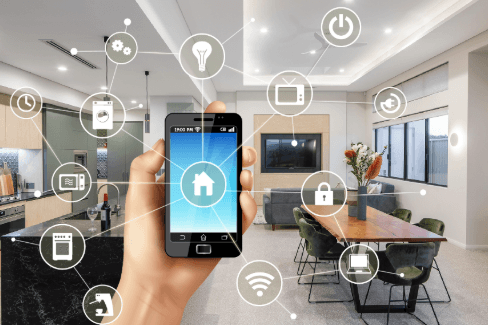
Connected living uses technology to coordinate devices, services, and tasks into a single interface. The approach reduces decision fatigue and enables autonomous operation with minimal input. Smart thermostats, sleep data, and interoperable ecosystems offer predictable outcomes through data-driven coordination. Selecting a scalable, future-proof platform requires attention to interoperability, transparent access controls, and privacy-by-design. Real-world practices illustrate morning-to-night routines and continuous optimization, but success hinges on trust and disciplined implementation—leaving questions about control, access, and trade-offs to be weighed.
Connected Living Simplifies Daily Routines
Connected living platforms orchestrate daily routines by coordinating devices, services, and tasks within a unified interface. They streamline chores, automate transitions, and reduce decision fatigue, enabling autonomous operation with minimal human input.
Smart thermostats optimize comfort and energy use, while sleep tracking informs bedtime adjustments. The result is enhanced efficiency, predictable outcomes, and greater personal freedom through reliable, data-driven coordination of everyday activities.
Choosing the Right Smart Home Ecosystem
The analysis focuses on interoperability standards and seamless device onboarding, emphasizing practical integration plans.
A solution-oriented approach highlights vendor interoperability, future-proofing, and user autonomy, enabling freedom to mix ecosystems without sacrificing performance, support, or updates.
Clear criteria guide selection, reducing risk and expanding expandable, scalable benefits.
Privacy, Security, and Trust in Connected Devices
Privacy, security, and trust are foundational to user adoption and ongoing engagement with connected devices.
The analysis highlights privacy risks and robust data governance as core levers for reducing exposure, enabling informed choice, and preserving autonomy.
Transparent access controls, minimal data collection, and auditable security practices foster confidence.
Proactive risk assessment and clear accountability ensure durable protection without compromising freedom of use.
Real-World Scenarios: From Morning to Night
From morning routines to nighttime wind-downs, real-world use cases illustrate how connected devices shape daily efficiency and autonomy.
In practice, households optimize scheduling, energy use, and task automation through interoperable systems.
Data collection informs personalized adjustments, while firmware updates sustain security and performance.
The approach favors proactive monitoring, transparent controls, and minimal user intervention, enabling reliable freedom without sacrificing oversight or resilience.
See also; Connected Living Through IoT
Frequently Asked Questions
How Do Smart Devices Learn Individual Preferences Over Time?
Smart devices learn individual preferences over time via learning algorithms and personalization strategies, refining actions with user feedback and contextual signals, while balancing energy analytics insights and privacy implications to support autonomous, flexible, and freedom-respecting assistance.
Can Connected Devices Reduce Energy Costs Without Sacrificing Comfort?
Smart energy systems can reduce costs without sacrificing comfort, though a comfort tradeoffs analysis is essential; coincidence ties efficiency gains to user satisfaction, revealing adaptive controls, demand response, and intelligent scheduling as practical, freedom-preserving solutions for modern households.
What Happens to Your Data When a Device Is Recycled?
When a device is recycled, data is typically wiped or securely erased during the device lifecycle to protect privacy; residual data may require certifications. Data ethics and robust disposal protocols ensure accountability, minimizing risk while enabling responsible, freedom-respecting reuse.
Are There Accessibility Features for Users With Disabilities?
Accessibility features exist, and disability friendly interfaces are prioritized; solutions include adjustable text, screen reader compatibility, voice control, and customizable layouts. Analysts note ongoing improvements empower users seeking freedom while ensuring inclusive, scalable technology access for diverse needs.
How Can I Troubleshoot Interoperability Across Brands?
Solutions emerge when one traveler notes interoperability challenges as bridges, not walls. The analysis examines Cross brand protocols, maps gaps, and suggests standardized testing, vendor collaboration, and shared interfaces to resolve interoperability challenges, enabling freer, compatible device ecosystems.
Conclusion
Connected living orchestrates daily routines with scalable interoperability and transparent controls, enabling seamless automation from wake to sleep. By selecting a future-proof ecosystem and embedding privacy-by-design, users gain predictable outcomes and trusted operation. While device diversity challenges security, robust access controls and continuous monitoring convert data into actionable insights. In short, a thoughtfully integrated smart environment reduces decision fatigue and elevates efficiency—effectively turning ordinary days into extraordinary, frictionless outcomes. This is modernization at planetary scale.