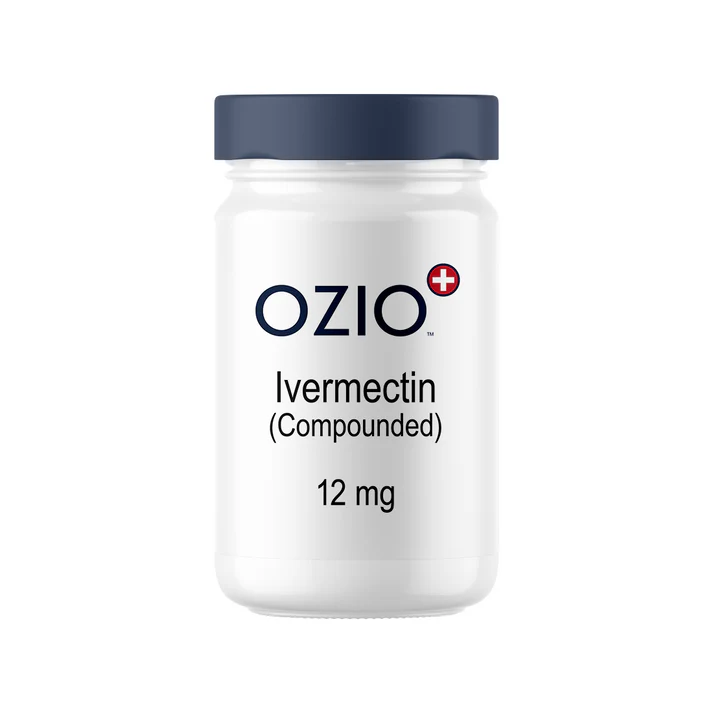
Ivermectin 12 mg tablets are prescription medications commonly used to treat certain parasitic infections in humans. Since their introduction, ivermectin has become an important treatment option for several conditions caused by parasites, helping millions of people worldwide. However, like all prescription medicines, it should only be taken under the guidance of a qualified healthcare professional.
This article explains the approved uses of ivermectin 12 mg tablets, their benefits, how they work, recommended precautions, possible side effects, and important safety information.
What Are Ivermectin 12 mg Tablets?
Ivermectin belongs to a class of medications known as antiparasitic agents. It works by targeting specific parasites, helping eliminate them from the body. The 12 mg tablet is one of several available strengths and may be prescribed depending on factors such as body weight, the type of infection, and a healthcare provider’s treatment plan.
Ivermectin is not a general-purpose antibiotic or antiviral medication. It is specifically intended for treating certain parasitic infections and should only be used for conditions for which it has been prescribed.
How Do Ivermectin 12 mg Tablets Work?
Ivermectin works by interfering with the nervous system and muscle function of certain parasites. It binds to specific channels found in parasites, causing paralysis and eventually leading to their death.
Because these mechanisms are much more specific to parasites than to humans, ivermectin is generally well tolerated when taken as directed. However, its effectiveness depends on using it appropriately for the correct medical condition.
Approved Medical Uses of Ivermectin 12 mg Tablets
Healthcare providers may prescribe ivermectin tablets for treating several parasitic infections, including:
Onchocerciasis (River Blindness)
One of the primary approved uses of ivermectin is the treatment of onchocerciasis, a parasitic disease caused by Onchocerca volvulus. The medication helps reduce the number of parasite larvae circulating in the body, improving symptoms and reducing disease progression.
Strongyloidiasis
Ivermectin is also commonly prescribed for intestinal strongyloidiasis, an infection caused by the parasite Strongyloides stercoralis. Proper treatment helps eliminate the infection and reduces the risk of complications.
Other Parasitic Infections
Depending on local medical guidelines and clinical judgment, healthcare professionals may prescribe ivermectin for certain other parasitic infections when appropriate.
The exact treatment plan varies according to the infection being treated and the patient’s overall health.
Benefits of Ivermectin 12 mg Tablets
When prescribed appropriately, ivermectin offers several important benefits.
Effective Treatment
Ivermectin has demonstrated high effectiveness against several parasitic infections when used according to approved treatment guidelines.
Convenient Oral Administration
Unlike injectable treatments, ivermectin tablets are taken orally, making treatment more convenient for many patients.
Well-Established Medical History
Ivermectin has been used in clinical practice for decades and has an extensive safety profile when prescribed for approved indications.
Single-Dose Treatment for Some Conditions
Certain parasitic infections may only require one dose or a limited number of doses, depending on the infection and medical advice.
Helps Prevent Disease Progression
Timely treatment may reduce complications associated with untreated parasitic infections and improve overall patient outcomes.
How to Take Ivermectin 12 mg Tablets
Always follow your healthcare provider’s instructions carefully.
General recommendations include:
- Take the medication exactly as prescribed.
- Swallow the tablet with water.
- Some treatment regimens recommend taking ivermectin on an empty stomach. Follow your healthcare provider’s instructions regarding food.
- Do not take additional doses unless instructed.
- Complete the full treatment plan even if symptoms improve.
Never change your dosage without consulting your healthcare provider.
Who May Need Ivermectin 12 mg Tablets?
A healthcare provider may consider ivermectin treatment for individuals diagnosed with specific parasitic infections through clinical evaluation and appropriate testing.
Factors that influence treatment include:
- Type of parasite
- Severity of infection
- Body weight
- Medical history
- Other medications being taken
- Liver function
- Overall health status
Not every parasitic infection requires ivermectin, and other medications may be more appropriate depending on the diagnosis.
Possible Side Effects
Like all medications, ivermectin may cause side effects. Many people experience few or no problems, while others may notice mild reactions.
Common side effects may include:
- Headache
- Dizziness
- Nausea
- Mild diarrhea
- Fatigue
- Muscle aches
These effects are often temporary and may improve as the body adjusts.
More Serious Reactions
Although uncommon, seek immediate medical attention if you experience symptoms such as:
- Difficulty breathing
- Swelling of the face, lips, tongue, or throat
- Severe skin rash
- Persistent vomiting
- Confusion
- Vision changes
- Seizures
Prompt medical evaluation is important if serious symptoms develop.
Important Safety Information
Safe medication use begins with following your healthcare provider’s instructions.
Do Not Self-Medicate
Never take ivermectin without a proper medical diagnosis. Using antiparasitic medication unnecessarily may delay appropriate treatment for the actual cause of symptoms.
Inform Your Healthcare Provider About Your Medical History
Tell your healthcare provider if you have:
- Liver disease
- Kidney disease
- Immune system disorders
- Neurological conditions
- Allergies to medications
This information helps determine whether ivermectin is appropriate for you.
Pregnancy and Breastfeeding
If you are pregnant, planning pregnancy, or breastfeeding, discuss the potential benefits and risks with your healthcare provider before taking ivermectin.
Drug Interactions
Some medications may interact with ivermectin. Inform your healthcare provider about all prescription medications, over-the-counter products, vitamins, and herbal supplements you are taking.
Who Should Avoid Ivermectin Without Medical Advice?
Medical supervision is especially important for:
- Children (unless specifically prescribed)
- Older adults with multiple medical conditions
- Individuals with liver problems
- People taking multiple prescription medications
- Pregnant or breastfeeding individuals
- Anyone with a history of allergic reactions to ivermectin
Your healthcare provider can determine whether treatment is appropriate.
Storage Guidelines
Proper storage helps maintain medication quality.
Store ivermectin tablets:
- At room temperature
- Away from excessive heat and moisture
- In the original packaging
- Out of reach of children and pets
Never use medication beyond its expiration date.
Common Misconceptions About Ivermectin
Because ivermectin has received widespread public attention in recent years, misconceptions have emerged regarding its use.
It is important to understand that ivermectin is an established medication for treating specific parasitic infections. It should only be used for conditions and situations where a qualified healthcare professional determines it is appropriate. Patients should rely on evidence-based medical advice rather than information from unverified sources.
When to Contact Your Healthcare Provider
Seek medical advice if:
- Symptoms do not improve after treatment.
- Your condition worsens.
- You experience unusual side effects.
- You accidentally miss a dose.
- You develop signs of an allergic reaction.
- You have questions about your treatment plan.
Regular communication with your healthcare provider helps ensure safe and effective treatment.
Conclusion
Ivermectin 12 mg tablets are an important prescription medication used to treat certain parasitic infections. When prescribed for approved indications and taken exactly as directed, they can provide effective treatment with a well-established safety profile.
Successful treatment depends on receiving an accurate diagnosis, following the prescribed dosage, and discussing any existing medical conditions or medications with your healthcare provider. Avoid self-medication, report any concerning side effects promptly, and always use ivermectin under professional medical supervision to ensure safe and appropriate care.